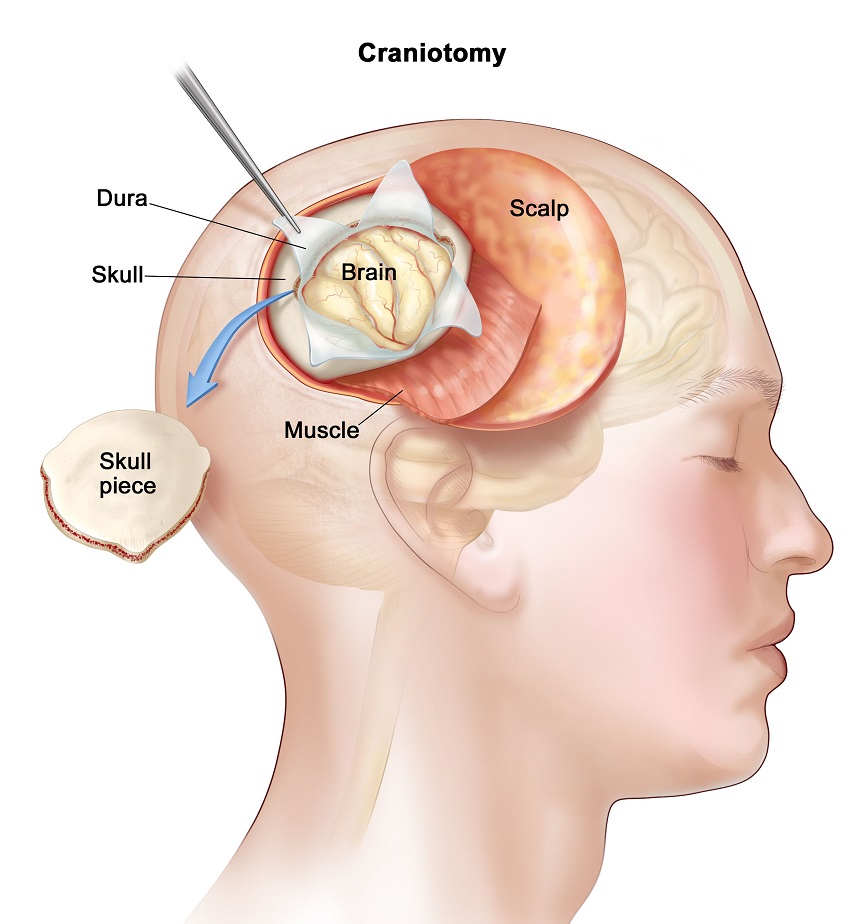
There are different approaches to tumor surgery. A curative surgery aims to remove the entire tumor along with a margin of surrounding healthy tissue to reduce the risk of recurrence. In some cases, nearby lymph nodes are also removed for staging and to check if cancer has spread. A debulking surgery removes as much of the tumor as possible when complete removal isn’t safe, usually followed by other treatments to target remaining cancer cells. Palliative surgery focuses on relieving pain or symptoms caused by tumors pressing on organs or nerves, even if the tumor cannot be entirely removed. Reconstructive surgery may also be performed afterward to restore appearance or function, especially in areas like the breast, head, or limbs.
Risks of tumor surgery depend on the complexity of the operation and the patient’s health but can include bleeding, infection, scarring, damage to surrounding tissues, and, in some cases, functional impairment if nerves, vessels, or organs are involved. Recovery time varies widely, ranging from a few days for small, surface-level tumors to weeks or months for major surgeries. Despite risks, surgical removal is often one of the most effective and immediate ways to treat or control tumors.