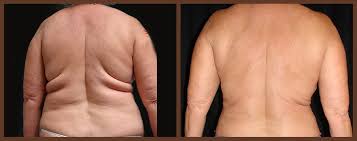
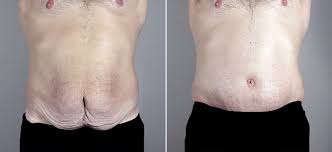
Liposuction is a cosmetic surgical procedure that removes excess fat deposits from specific areas of the body to improve contour and shape. It is one of the most commonly performed plastic surgery procedures worldwide and is typically used on areas that are resistant to diet and exercise, such as the abdomen, thighs, hips, arms, back, buttocks, or under the chin. During the procedure, a surgeon makes small incisions and inserts a thin tube called a cannula, which loosens and suctions out fat using a vacuum-like device. Several techniques exist, including tumescent liposuction (the most common, involving infusion of a saline and anesthetic solution), ultrasound-assisted liposuction (UAL), and laser-assisted liposuction (LAL), each designed to make fat removal smoother and sometimes tighten skin slightly.
Unlike abdominoplasty (tummy tuck), liposuction does not remove loose or excess skin and does not tighten muscles, so it is best suited for patients with good skin elasticity who want to target fat bulges rather than sagging skin. Recovery time varies depending on the amount of fat removed and the number of areas treated, but most people can resume light activities within a few days to a week, with swelling and bruising gradually improving over several weeks. Compression garments are usually worn to help reduce swelling and support healing.