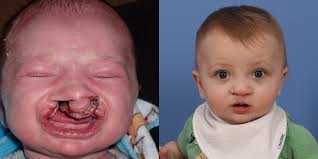
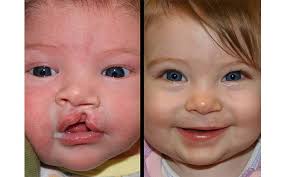
Some children may require additional surgeries as they grow, such as revisions to improve speech, correct nasal asymmetry, or address dental and jaw development issues. Orthodontic treatment, ear tube placement, and speech therapy are often part of the long-term care plan, meaning treatment is typically managed by a multidisciplinary cleft team including surgeons, orthodontists, speech therapists, and ENT specialists.
The outlook after cleft lip and palate surgery is excellent, with most children able to eat, speak, and socialize normally as they grow. However, risks include scarring, wound breakdown, nasal deformity, or persistent speech problems that may require additional procedures or therapy.