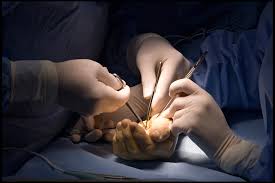
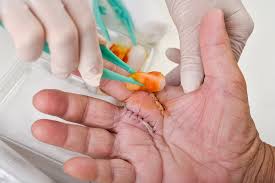
There are several categories of hand surgery. Trauma-related procedures include repairing fractures, tendon injuries, nerve damage, and blood vessel injuries following accidents. Reconstructive surgeries address congenital deformities (like syndactyly, where fingers are fused) or conditions such as Dupuytren’s contracture, where scar-like tissue causes fingers to curl inward. Nerve-related surgeries, such as carpal tunnel release or cubital tunnel surgery, aim to relieve pressure on compressed nerves. Surgeons also perform microsurgery, which involves reconnecting tiny blood vessels and nerves, often in cases of replantation after finger or hand amputation.
Recovery depends on the type of surgery performed. Some procedures require only a few weeks of healing, while others involve months of rehabilitation with hand therapy to restore strength and mobility. Risks include infection, stiffness, scarring, reduced sensation, or incomplete restoration of function. Because hands are vital for daily living, the primary goal of hand surgery is not only to improve appearance but also to preserve or restore as much function as possible.